Jetson Orin Super Carrier Board
High-performance carrier board designed for AI edge computing




AstrOptix Orin Super Carrier Board
AI Vision & Block Camera Integration Solution for NVIDIA Jetson Orin NX
- Supports Super mode
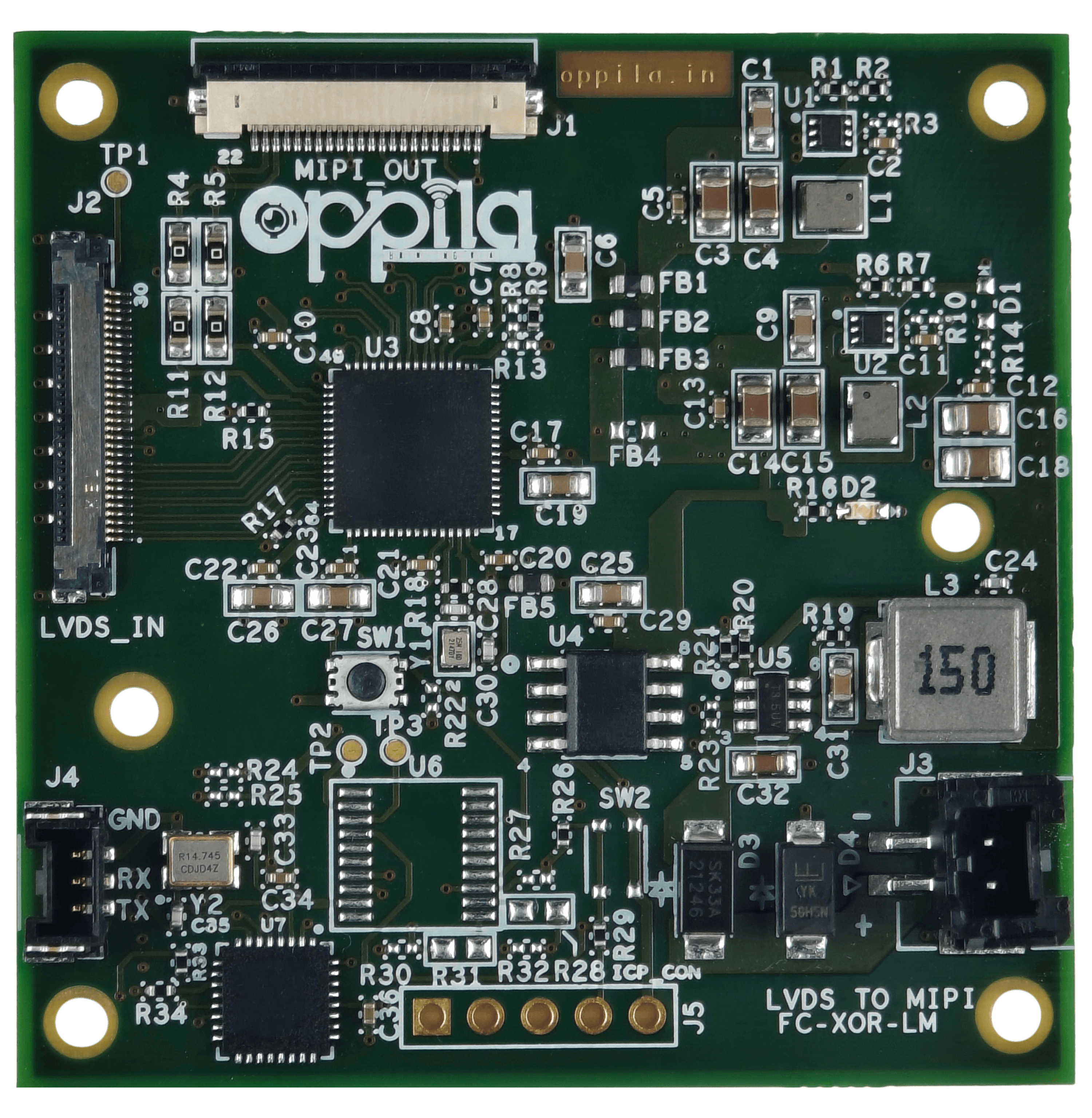
- Supports 1 × LVDS (Sony FCB, Tamron or KT&C).
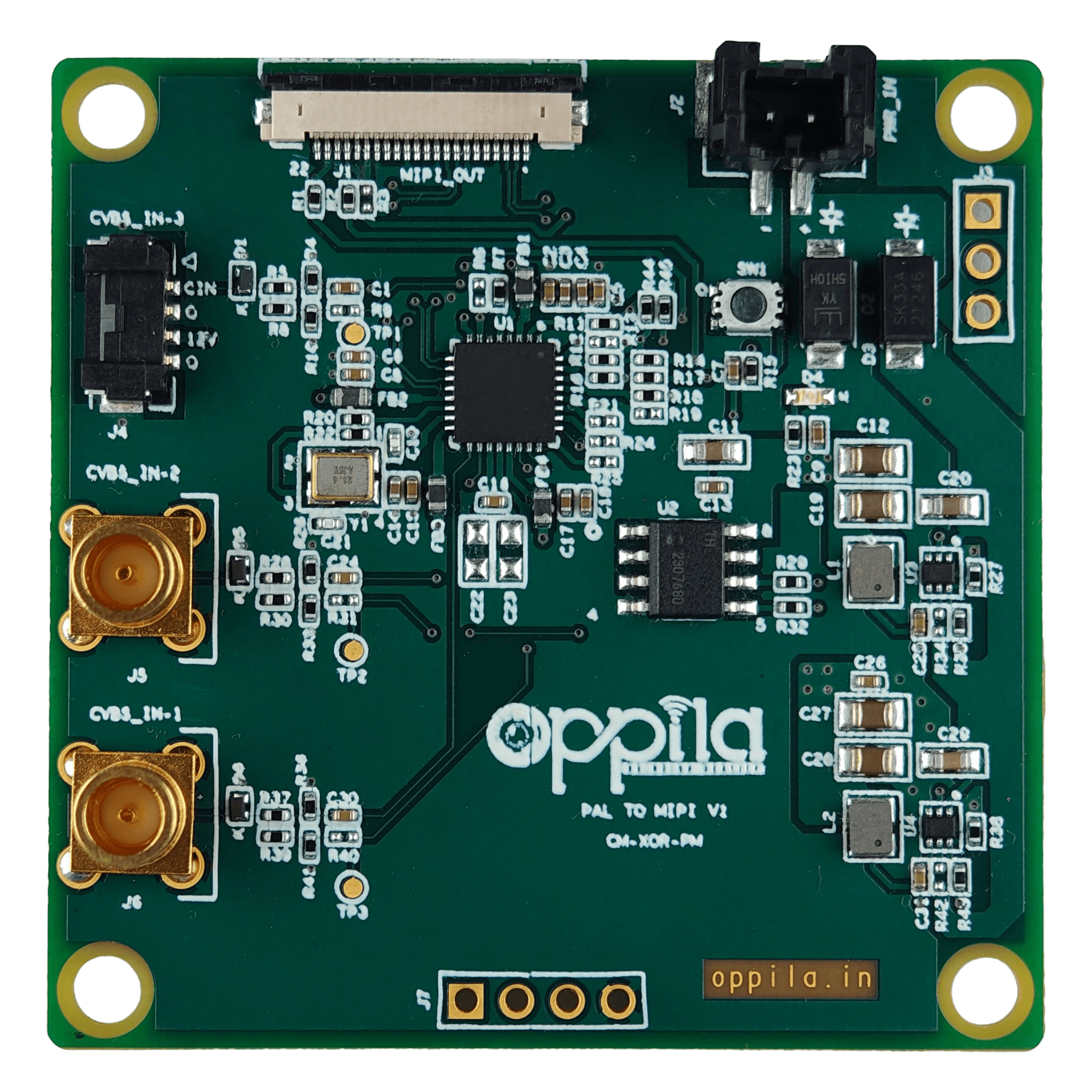
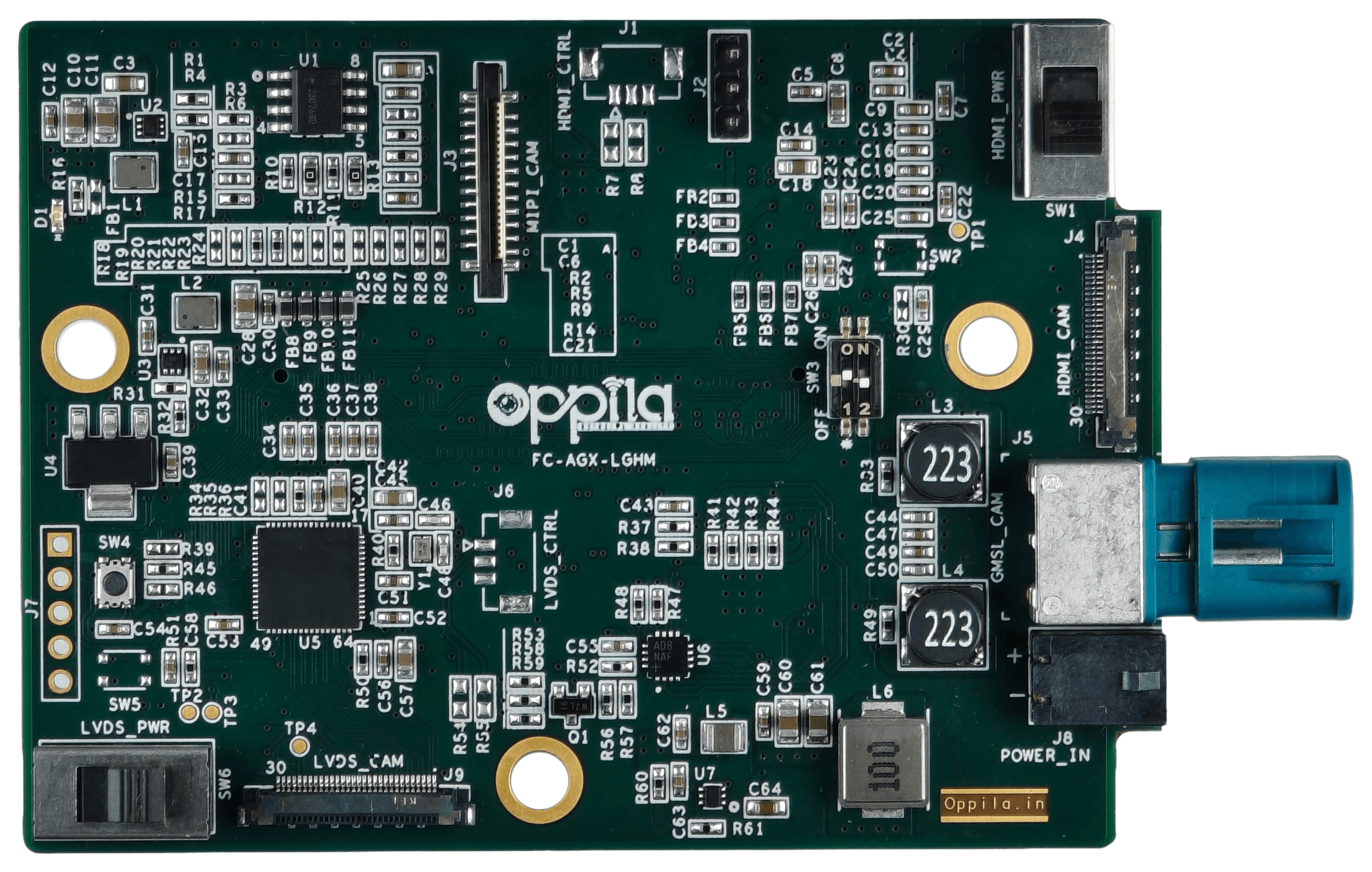
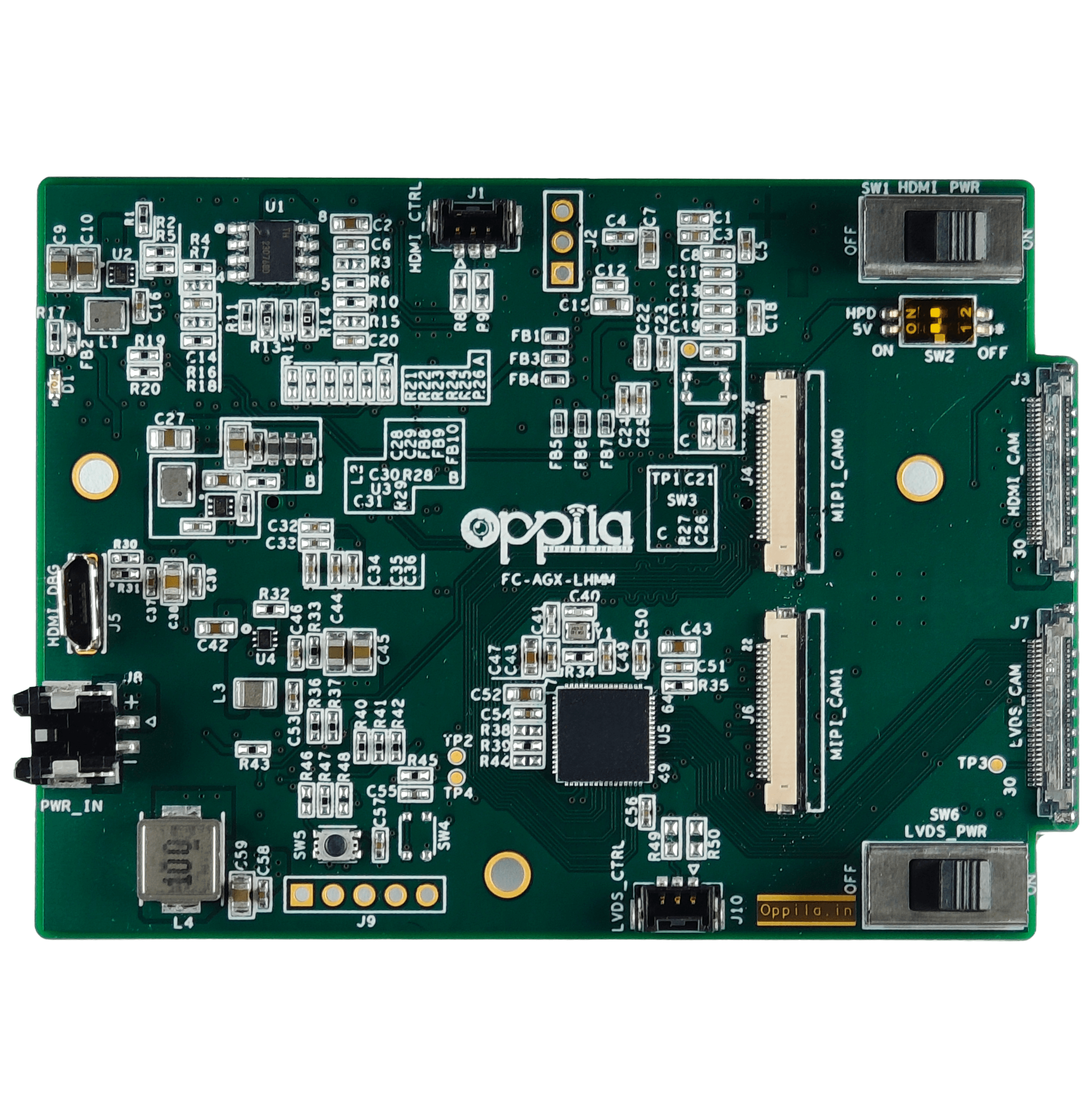
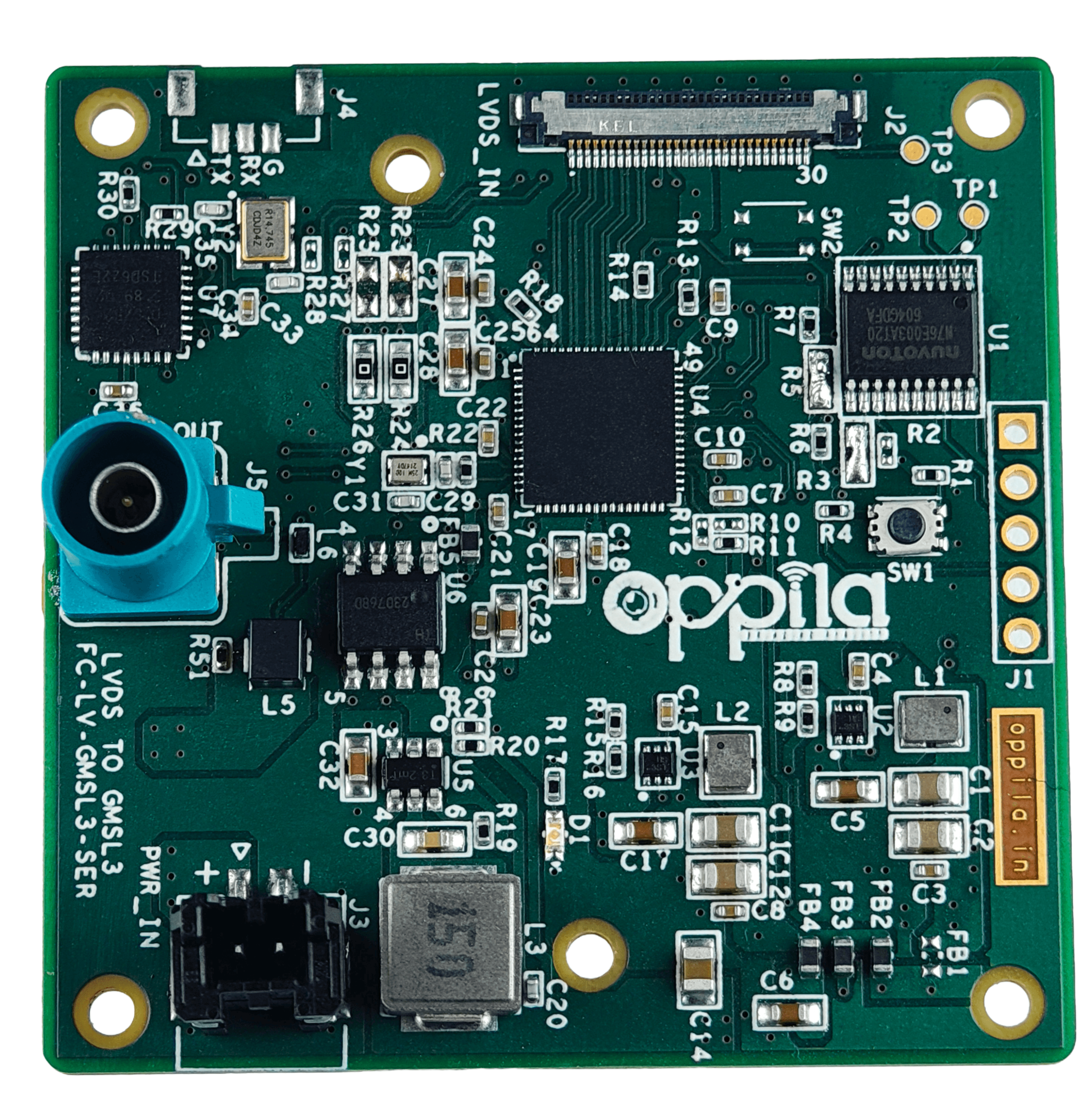
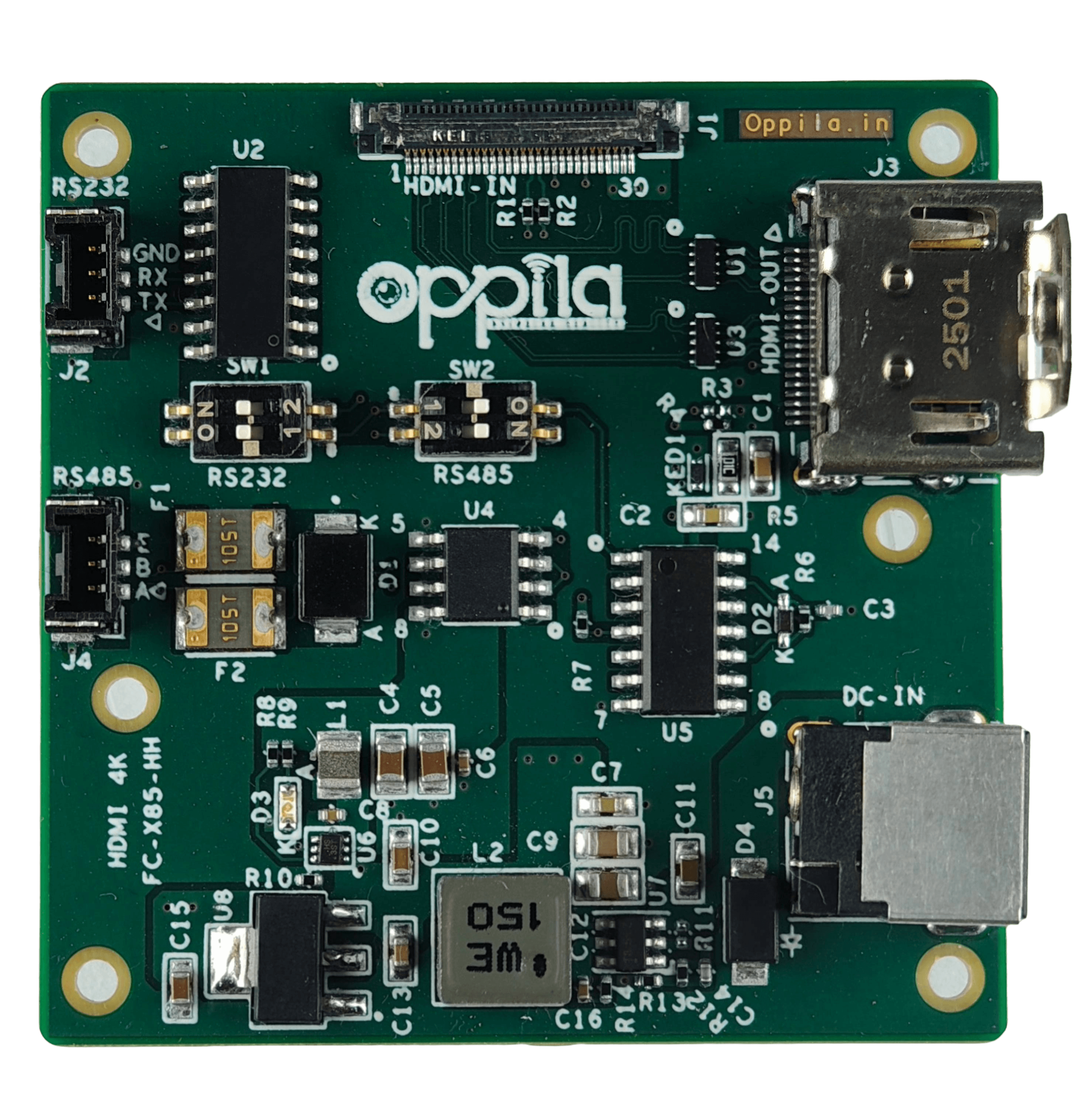
- Supports 1 × (LVDS, HDMI & PAL) inputs via bridge board.
- 1 Gbps Ethernet
- M.2 Key E expansion for Wi-Fi/Bluetooth modules
- M.2 Key M expansion for NVMe SSD storage
AstrOptix Orin Super Carrier Board
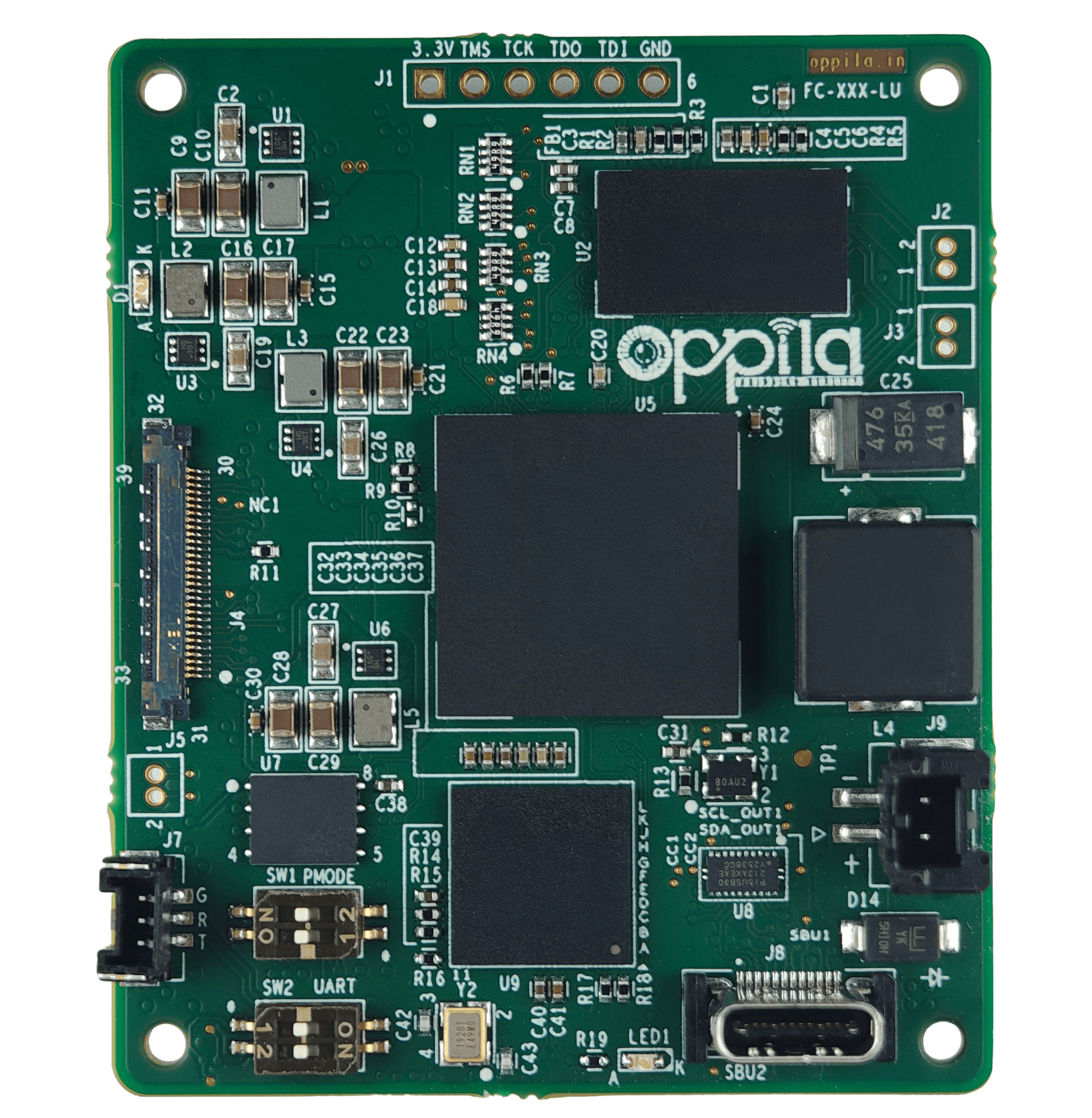
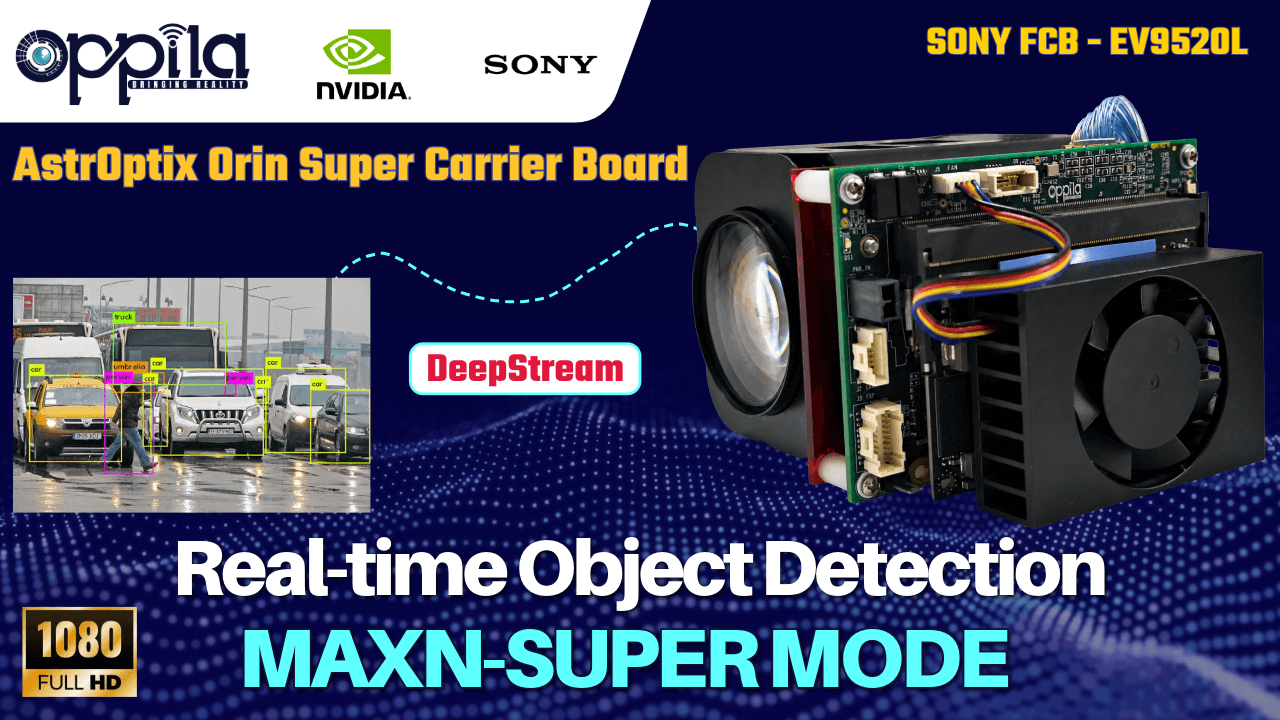
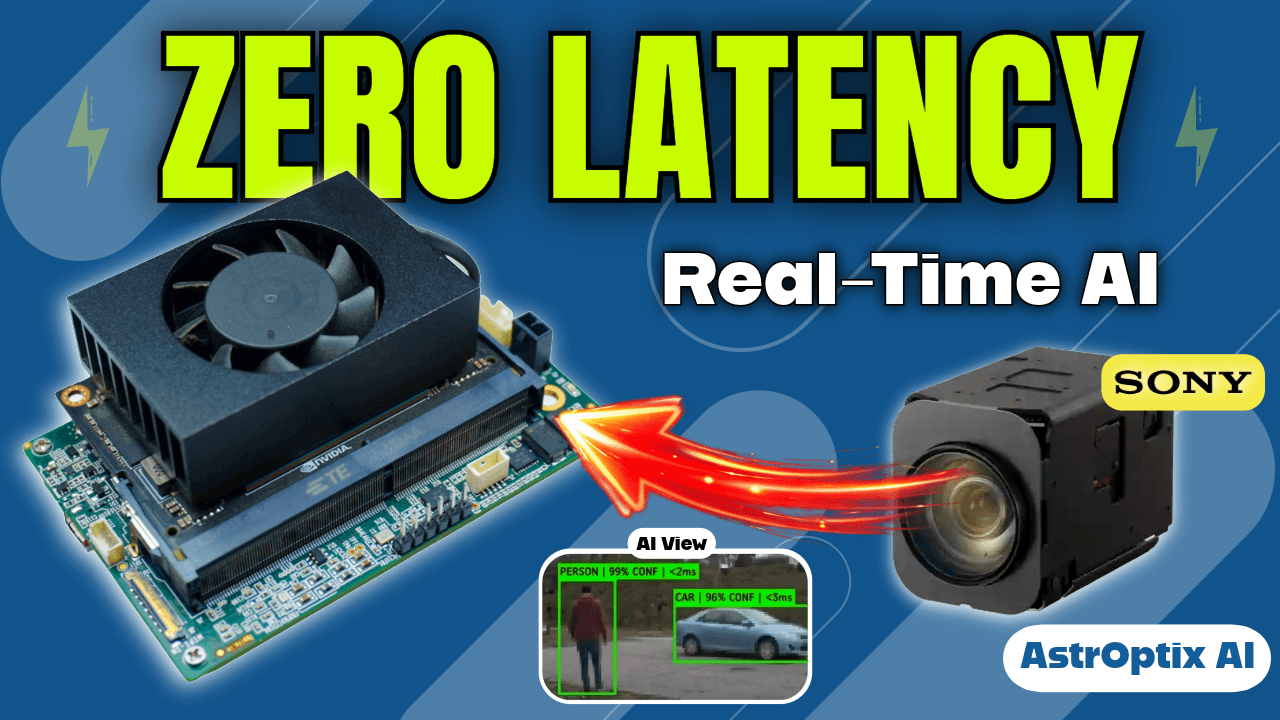
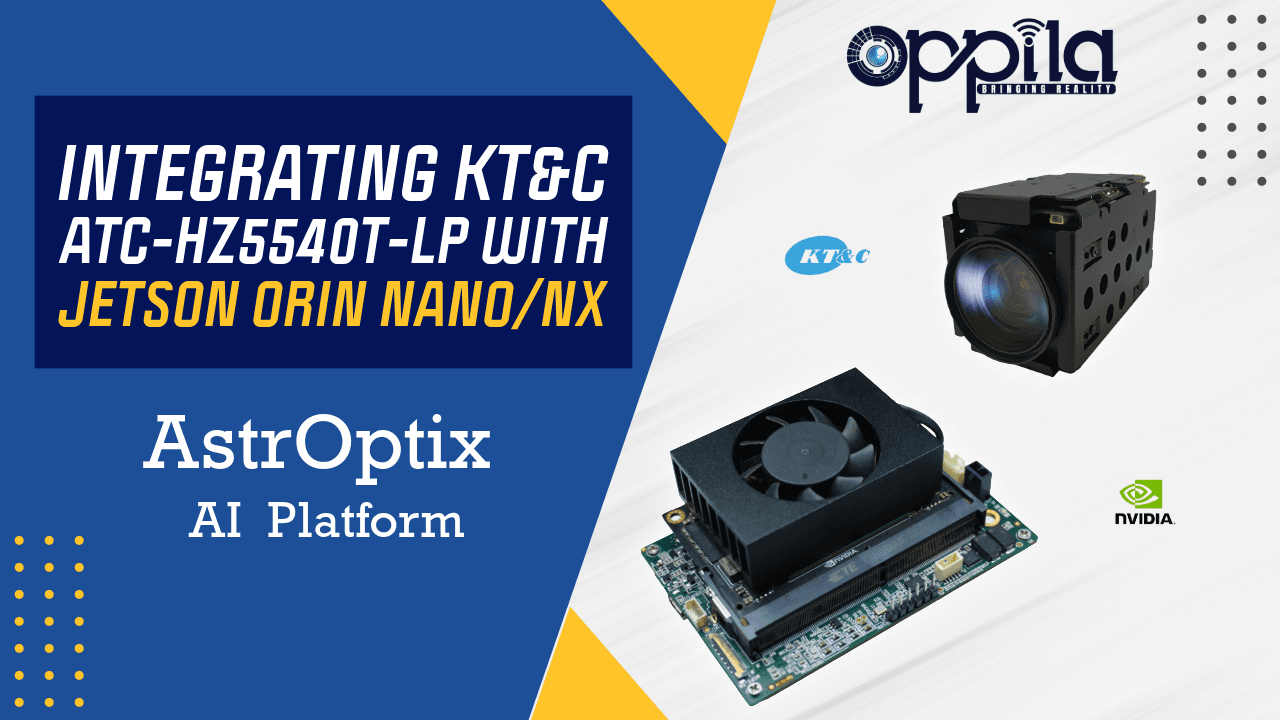
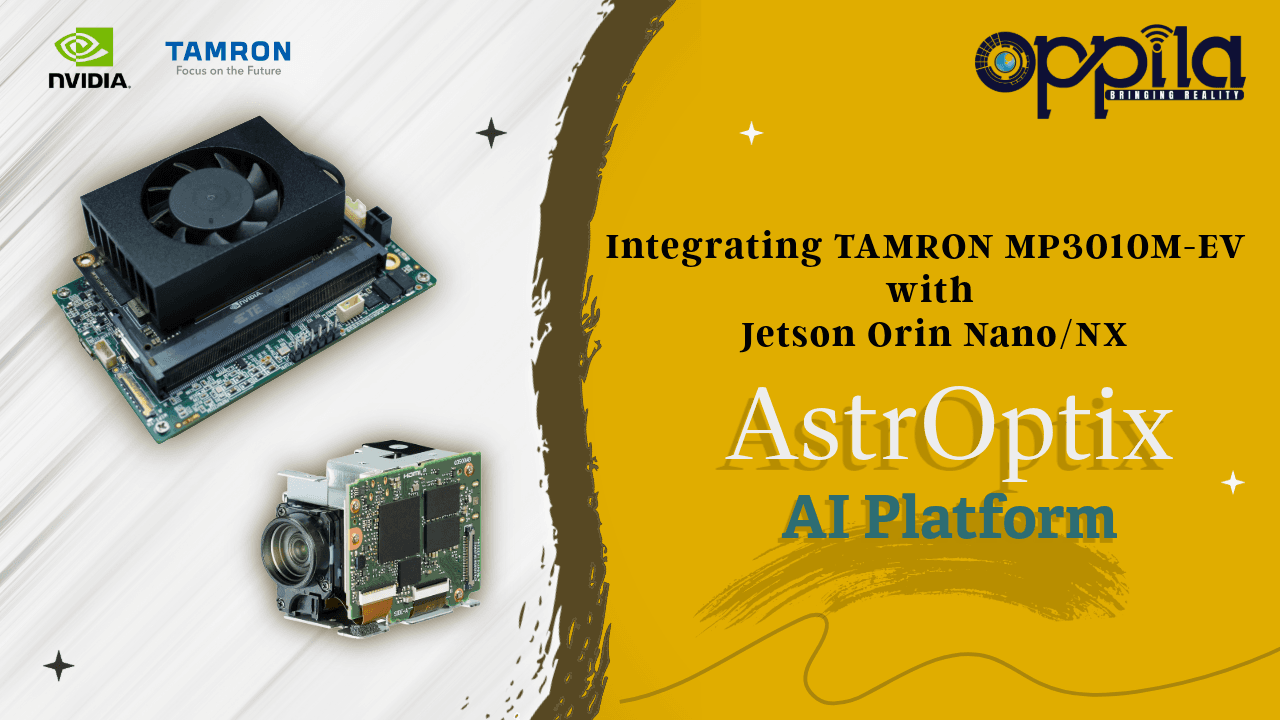
The AstrOptix Orin Super Carrier Board is an embedded vision and computing platform designed for NVIDIA Jetson Orin Nano and Orin NX modules. With support for NVIDIA Super Mode configurations, it provides a flexible hardware foundation for demanding edge AI and real-time vision applications. The board offers versatile camera connectivity through native LVDS and 4-lane MIPI CSI-2 interfaces, supporting a range of industrial block cameras from Sony (FCB-EV9520L, FCB-EV9500L), Tamron (MP3010M-EV), KT&C (ATC-HZ5540T-LP), Videology (24Z2.1W-10X-LVDS-462), and Wonwoo (MM-G405, MC-G305). It also supports HDMI camera integration through an optional MIPI CSI-2 bridge board, providing compatibility with Sony FCB-ER9500, FCB-ER8530, and FCB-EW9500H cameras. Dedicated 3.3 V CMOS UART channels provide VISCA camera control for connected block cameras.
For system connectivity, the board combines 1 Gbps Ethernet and Micro HDMI output with USB 2.0/3.0 Type-C connectivity for flashing, debugging, and data transfer. An additional USB 2.0 interface is available through a Samtec Micro Tiger Eye connector. M.2 Key M and Key E expansion slots accommodate 2242 NVMe SSDs and 2230 Wi-Fi/Bluetooth modules, respectively.
The board also incorporates a range of peripheral interfaces, including I2C, UART, optional RS-422, CAN, SPI, and GPIO, through a 1 mm Molex Pico-clasp connector. A 12–19 V DC regulated power input, PWM fan connector, and RTC battery connector support system power, cooling, and real-time clock functions. With a compact 90 × 60 mm footprint, a weight of approximately 38.1 g, and an operating temperature range of −20 °C to +85 °C, the AstrOptix Orin Super Carrier Board provides a versatile platform for UAV imaging, defence systems, robotics, industrial vision, and embedded AI applications.
Typical Applications Include:
- AI Edge Computing and Vision Analytics
- Multi-Camera Networked Vision Systems
- Robotics and Autonomous Platforms
- Industrial & Machine Vision Systems
- Defense and Security Imaging
- UAV / ROV Payloads
- Smart Surveillance and Remote Monitoring
- Embedded Vision Research & Prototyping
| Feature | Description |
|---|---|
| CPU/GPU Module | NVIDIA Jetson Orin Nano and Orin NX |
| Storage | NVMe SSD via M.2 Key M (2242) |
| Camera Interfaces | • 1 × LVDS-to-MIPI CSI-2 (30-pin KEL connector, single-mode LVDS); • 1 × 4-lane MIPI CSI-2 interface via 22-pin connector |
| Network Interface | 1 Gbps Ethernet via Molex Pico-clasp 1.0 mm connector; M.2 Key E (2230) slot for Wi-Fi/Bluetooth module |
| Expansion Header | I2C, 2 × UART, optional RS-422, CAN, SPI and GPIO via Molex Pico-clasp 1.0 mm connector |
| Video Output | Micro HDMI |
| USB Interface | USB Type-C (USB 2.0/3.0) for flashing, debugging and data transfer; 1 × USB 2.0 via Samtec Micro Tiger Eye connector |
| UART Channels | Dedicated independent UART channel for LVDS camera VISCA control via KEL connector |
| RTC and Fan | Onboard RTC battery connector and dedicated PWM-controlled fan connector |
| Input Power | 12–19 V DC regulated input via Molex Micro-Fit+ connector; supports NVIDIA Super Mode configurations |
| Operating Temperature | −20 °C to +85 °C |
| Dimensions (L × W) | 90 × 60 mm |
| Weight | 38.1 g |
| Compliance | RoHS 3 and REACH compliant |
AstrOptix Orin Super Carrier Board Documentation
Everything you need to integrate and deploy the carrier board.
FAQs
Which NVIDIA Jetson modules does the AstrOptix Orin Super Carrier board support?
The board supports NVIDIA Jetson Orin NX and Jetson Orin Nano modules, including Super Mode for maximum AI throughput.
What cameras are compatible with this carrier board?
The carrier board natively supports LVDS block cameras from Sony (FCB-EV9520L, FCB-EV9500L), Tamron (MP3010M-EV), and KT&C (ATC-HZ5540T-LP). Sony's 4K HDMI block cameras (FCB-ER8530, FCB-EW9500H, FCB-ER9500) are supported through an optional bridge module via the 22-pin MIPI CSI-2 connector. A dedicated UART channel enables VISCA protocol control of the connected camera.
What is the operating temperature range?
The board operates from –20 °C to +85 °C, making it suitable for harsh-environment deployments in defence, industrial, and outdoor applications.
What connectivity and expansion options are available?
The board provides 1 Gbps Ethernet (Molex pico-clasp), M.2 Key E 2230 for Wi-Fi/Bluetooth, M.2 Key M 2242 for NVMe SSD, Micro HDMI display output, USB Type-C (USB2 & USB3) for flashing, debugging & data, plus 1× USB 2.0 via a Samtec Micro Tiger-eye connector, and I²C, CAN, SPI, GPIO, and optional RS-422 expansion via a Molex Pico-clasp connector.
What are the typical applications for this carrier board?
Typical applications include AI edge computing and vision analytics, UAV/ROV payloads, defence and security imaging, robotics and autonomous platforms, industrial and machine vision systems, multi-camera networked vision systems, smart surveillance, and embedded vision research.
What power input does the board require?
The board accepts 12–19 V regulated power via a 2-pin Molex Micro-fit plus connector and LED indicators for system and power status.