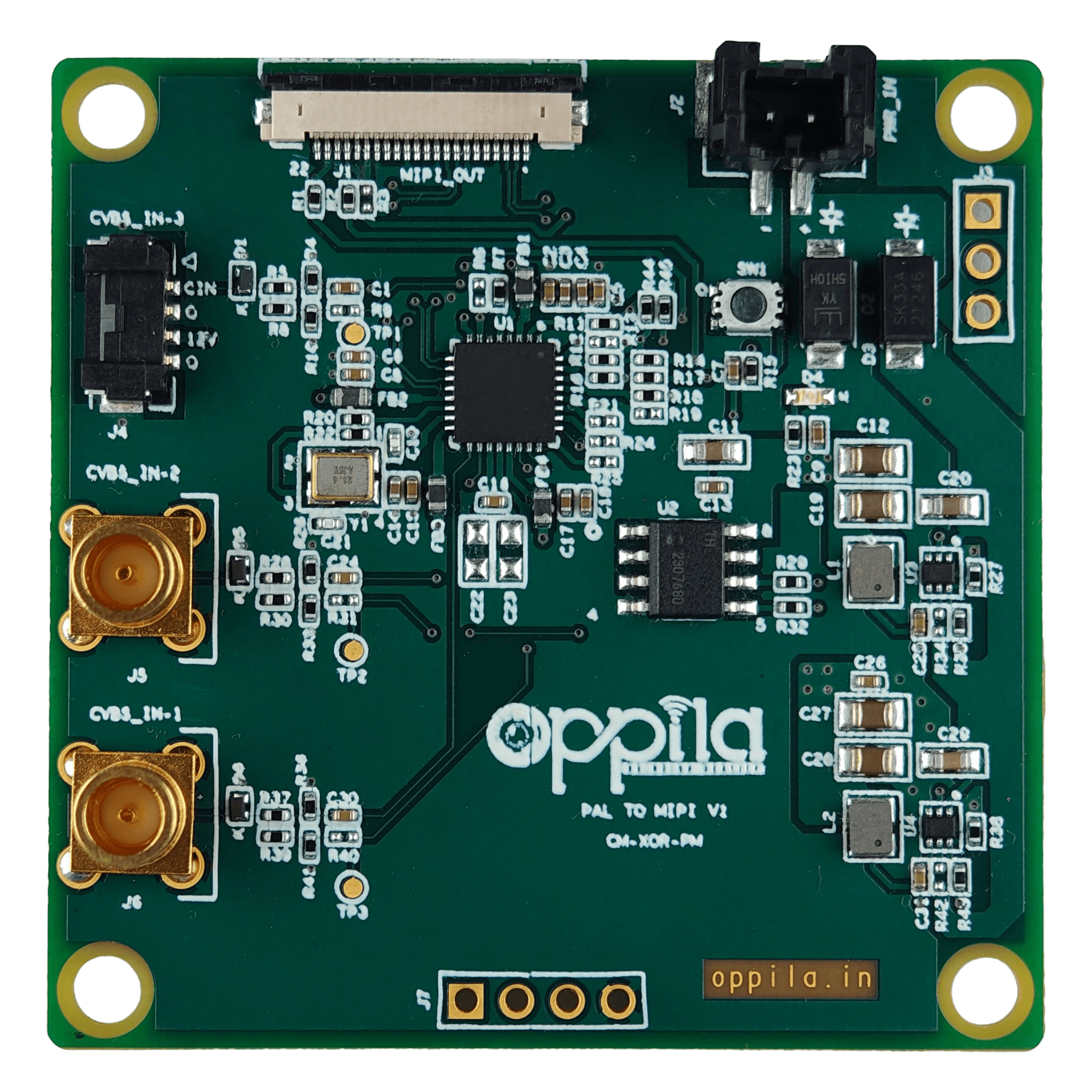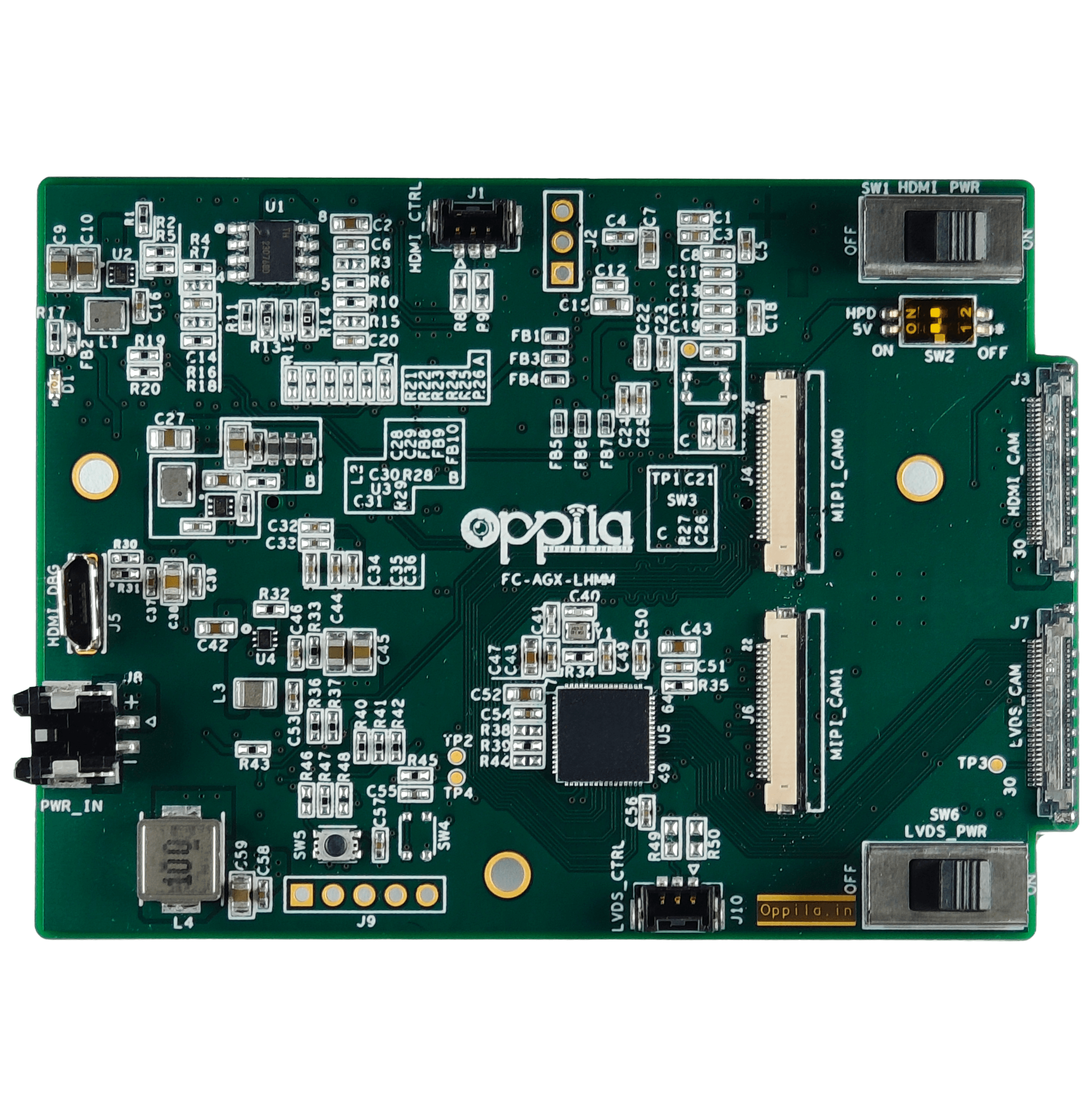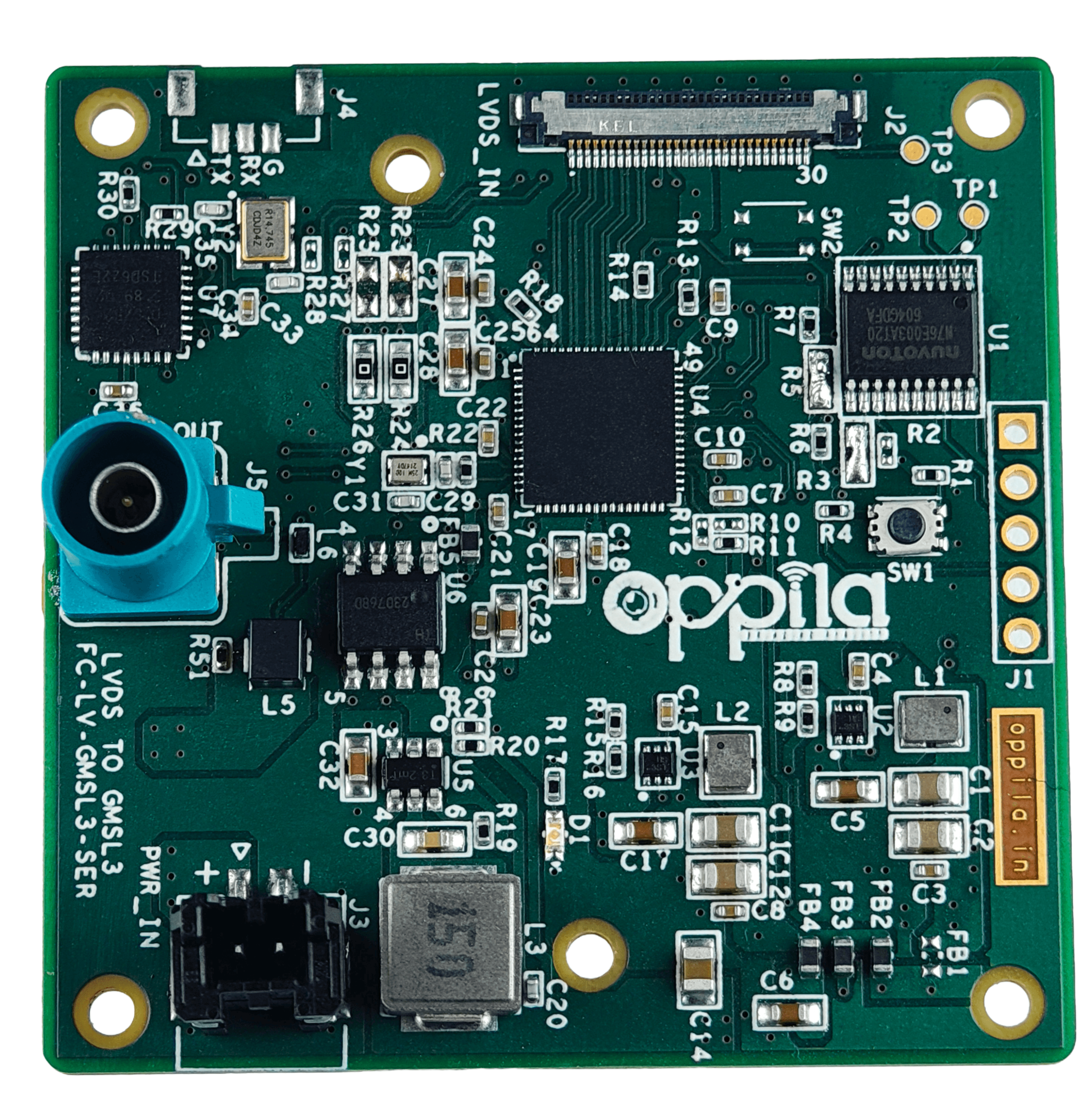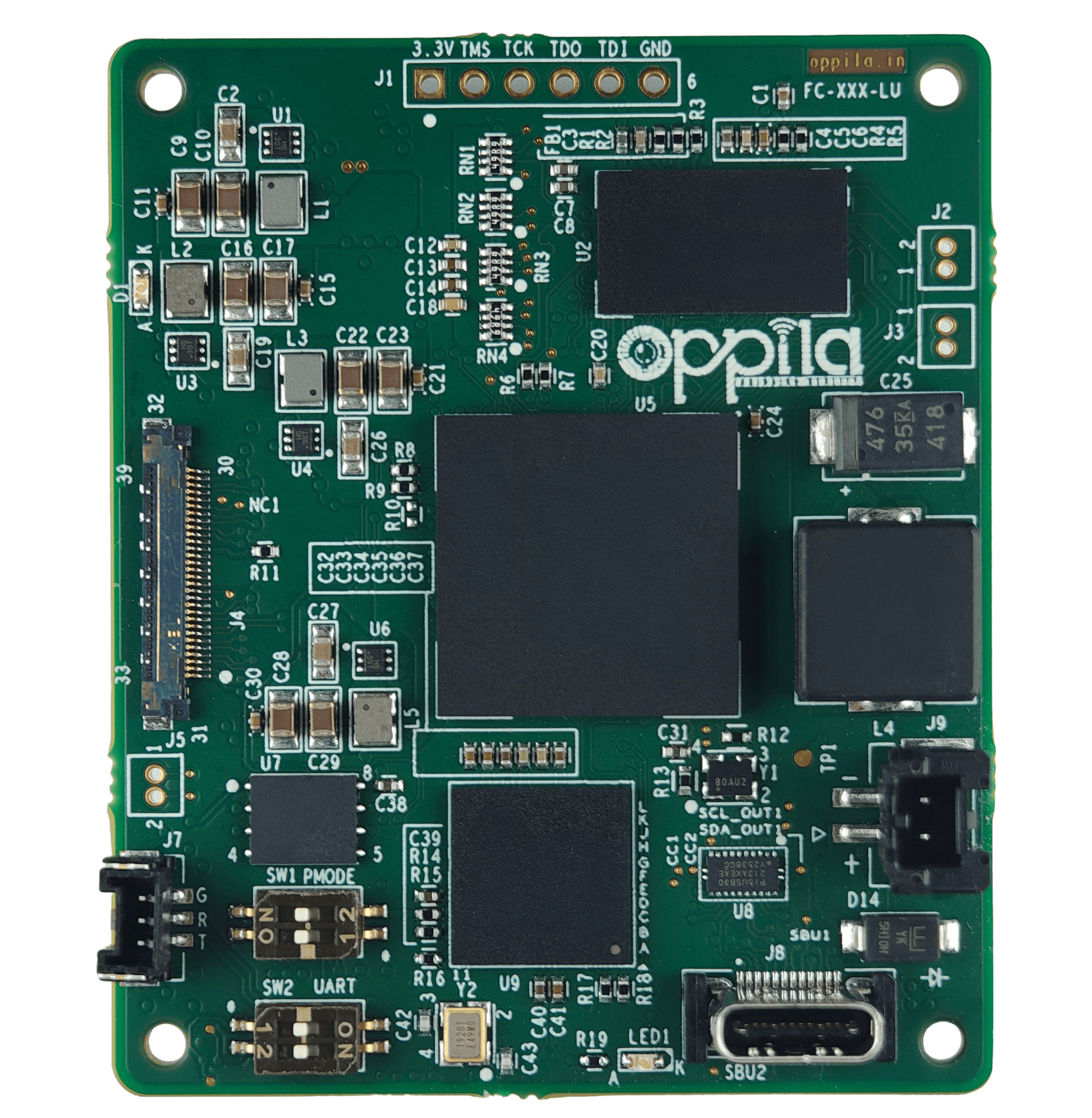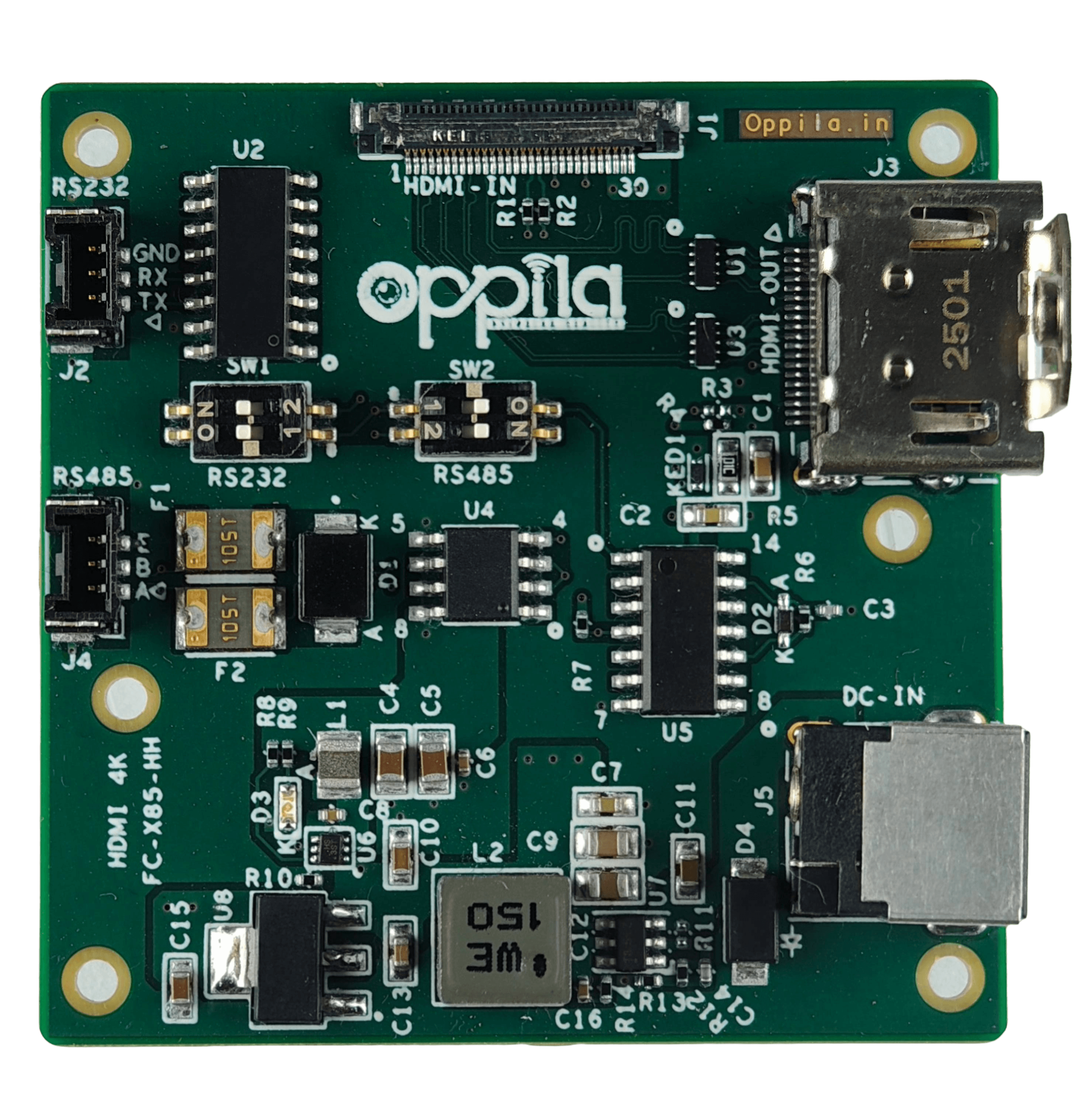
PAL – MIPI CSI-2 Pico Bridge Board
Converts PAL / NTSC video signals to single lane MIPI CSI-2 output on a compact 30 × 30 mm PCB.
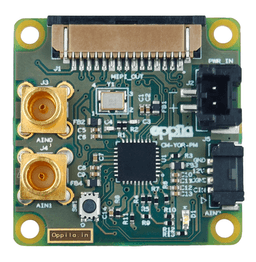
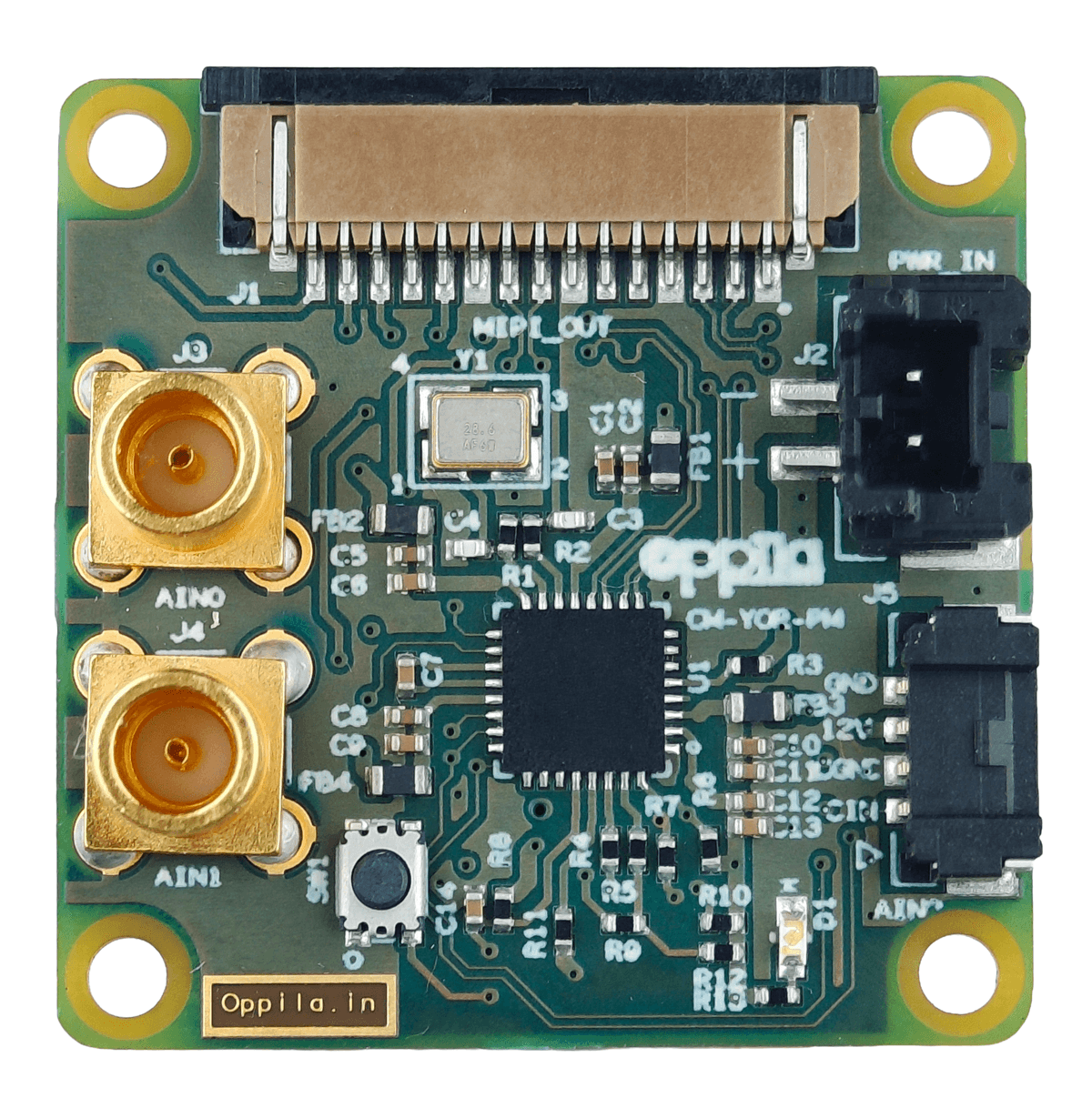
PAL/NTSC – MIPI CSI-2 Pico Bridge Board
An essential bridge board for converting analog PAL/NTSC video signals to MIPI CSI-2, enabling legacy analog cameras to work with modern digital embedded systems like NVIDIA Jetson.
- Converts PAL/NTSC to MIPI CSI-2
- Supports Analog Cameras (CVBS)
- Compatible with AstrOptix Orin Super Carrier Board, NVIDIA Jetson Orin Super Developer Kit, Connect Tech Hadron, AVerMedia D133 & Waveshare Jetson Orin IO-Base carrier boards and Raspberry Pi 5.
- Operating temperature range: –20 °C to +85 °C
- Compact 30x30mm Form Factor, 7.6 g
Supported Configurations
- Cameras: PAL/NTSC analog (CVBS) cameras
- Host platforms: AstrOptix Orin Super Carrier Board · NVIDIA Jetson Orin Super Developer Kit · Connect Tech Hadron Carrier · AVerMedia D133 Carrier Board · Waveshare Jetson Orin IO Base Carrier Board · Raspberry Pi 5
- Software versions:
- NVIDIA – JetPack 6.2.2 / L4T 36.5
- PAL-MIPI CSI-2-NVIDIA Jetson ORIN NX/NANO-DRIVER
- Raspberry Pi 5 – OS Trixie / Kernel 6.12.75+rpt-rpi-2712
- PAL-MIPI CSI-2-RASPBERRY PI-DRIVER
- NVIDIA – JetPack 6.2.2 / L4T 36.5
Above are the default supported combinations. Customization is offered for other cameras, host platforms and software kernel versions.
PAL/NTSC – MIPI CSI-2 Pico Bridge Board
The PAL/NTSC–MIPI Pico Bridge Board is a compact, high-performance camera interface bridge designed to convert PAL/NTSC analog video output from cameras into a MIPI CSI-2 signal compatible with leading embedded AI computing platforms such as AstrOptix Orin Super Carrier Board, NVIDIA Jetson Orin Nano Super Developer Kit, AVerMedia D133 Carrier Board, Waveshare Jetson Orin IO Base Carrier Board and the Raspberry Pi 5.
Built on a low-latency architecture, the bridge board enables real-time video streaming while maintaining precise synchronization and signal integrity.
The board supports three independent PAL/NTSC composite video inputs, allowing multiple camera sources to be connected. One camera source can be selected at a time through I²C control from the host processor, enabling flexible camera switching without requiring additional external switching hardware.
Engineered for embedded vision and AI applications, the PAL/NTSC–MIPI CSI-2 Pico Bridge Board features a single lane MIPI CSI-2 output, a 12 V regulated input with onboard power conditioning, and an industrial-grade EMI-optimized design for reliable operation in demanding environments. The board's ultra-compact 30 × 30 mm footprint makes it an ideal solution for edge AI systems, robotics, machine vision, and defence imaging platforms where low-latency, high-fidelity video transfer is essential.
Applications:
- AI Edge Computing and Vision Analytics
- Robotics and Autonomous Platforms
- Industrial & Machine Vision Systems
- Medical & Diagnostic Imaging Instruments
- UAV / ROV Vision Payloads
- Security and Surveillance Cameras
- Broadcast and Multimedia Streaming
- Research, Development & Prototyping
| Parameter | Details |
|---|---|
| Power Input | 12 V DC regulated (via 2-pin connector) |
| Camera Interface | 2 x MCX connector and 1 x Molex Micro-Lock Plus connector |
| MIPI CSI-2 Output | Single lane MIPI CSI-2 (FFC/FPC) |
| Supported Video Format | PAL / NTSC analog video up to 720 × 576 (PAL) / 720 × 480 (NTSC) |
| Video Switching | Selection through I²C (host) |
| Indicators | Power LED (Green) |
| Board Dimensions (L × W) | 30 mm × 30 mm |
| Mounting | 4 x M2 mounting holes |
| Board Weight | 7.6 g |
| Operating Temperature | −20 °C to +85 °C |
| Compliance | MIPI CSI-2 Specification, RoHS |
| Recommended Supply | 12 V / 1.5A regulated |
| Compatibility (H/W pinout) | Input: PAL / NTSC Video Input Output: Single lane MIPI CSI-2, YUV422 |
| Supported Host Platforms | AstrOptix Orin Super Carrier Board, NVIDIA Jetson Orin Nano Super Developer Kit, Connect Tech Hadron Carrier, AVerMedia D133 Carrier Board, Waveshare Jetson-Orin IO Base Carrier Board and Raspberry Pi 5 |
PAL – MIPI CSI-2 Pico Bridge Board Documentation
Everything you need to integrate and deploy the bridge board.
- NVIDIA Jetson Manual (Hardware)Hardware specs, connector pinouts, and mechanical drawings.
- Software & DriversSoftware installation, driver configuration, and video streaming guides.Coming soon
- Raspberry Pi 5 Manual (Hardware)Hardware specs, connector pinouts, and mechanical drawings.
- Software & DriversOS configuration, driver installation, and camera bringup.Coming soon
Kernel Drivers
Driver packages for this board are coming soon.
- NVIDIA Jetson Orin Nano Super Developer KitKernel driver package for the PAL – MIPI CSI-2 Pico Bridge Board.Coming soon
- Raspberry Pi 5Kernel driver package for the PAL – MIPI CSI-2 Pico Bridge Board.Coming soon
FAQs
What does the PAL – MIPI CSI-2 Pico Bridge Board do?
It converts PAL analog video output from cameras into a single lane MIPI CSI-2 signal compatible with embedded AI computing platforms such as the NVIDIA Jetson Orin Nano Super Developer Kit and Raspberry Pi 5.
How is it different from the PAL/NTSC to MIPI CSI-2 Bridge Board?
The Pico board provides PAL/NTSC to single lane MIPI CSI-2 conversion with three independent video inputs in a compact 30 × 30 mm footprint with 4 × M2 mounting holes, compared with 50 × 50 mm for the standard PAL/NTSC to MIPI CSI-2 Bridge Board.
How many cameras can I connect?
Three. The board has three independent PAL composite video inputs — 2 × MCX connectors and 1 × Molex Micro-lock plus connector. Camera selection is switched dynamically via I²C control from the host processor, without additional switching hardware.
Which video formats are supported?
PAL / NTSC analog video up to 720 × 576 (PAL) / 720 × 480 (NTSC). The output is single lane MIPI CSI-2, YUV422.
Which host platforms are supported?
NVIDIA Jetson Orin Nano Super Developer Kit, Connect Tech Hadron Carrier, AVerMedia D133 Carrier Board, Waveshare Jetson Orin IO-Base Carrier Board and Raspberry Pi 5.
What power supply does the board need?
A 12 V DC regulated input through a 2-pin connector, with reverse-voltage and transient-voltage protection. A 12 V / 1.5 A regulated supply is recommended.
When will documentation and drivers be available?
Hardware manuals for NVIDIA Jetson and Raspberry Pi 5 are available in the Documentation tab. Software guides and driver packages are coming soon. In the meantime, contact technical support at support@oppila.in for integration help.