SONY Camera Integrations Using Customized Oppila’s MIPI Drivers on Nvidia Platforms
we specialize in integrating professional Sony camera modules with NVIDIA Jetson platforms using our customized MIPI driver framework and signal-conversion interface boards.
This blog highlights several successful integration setups involving different Sony camera models and various NVIDIA developer kits.
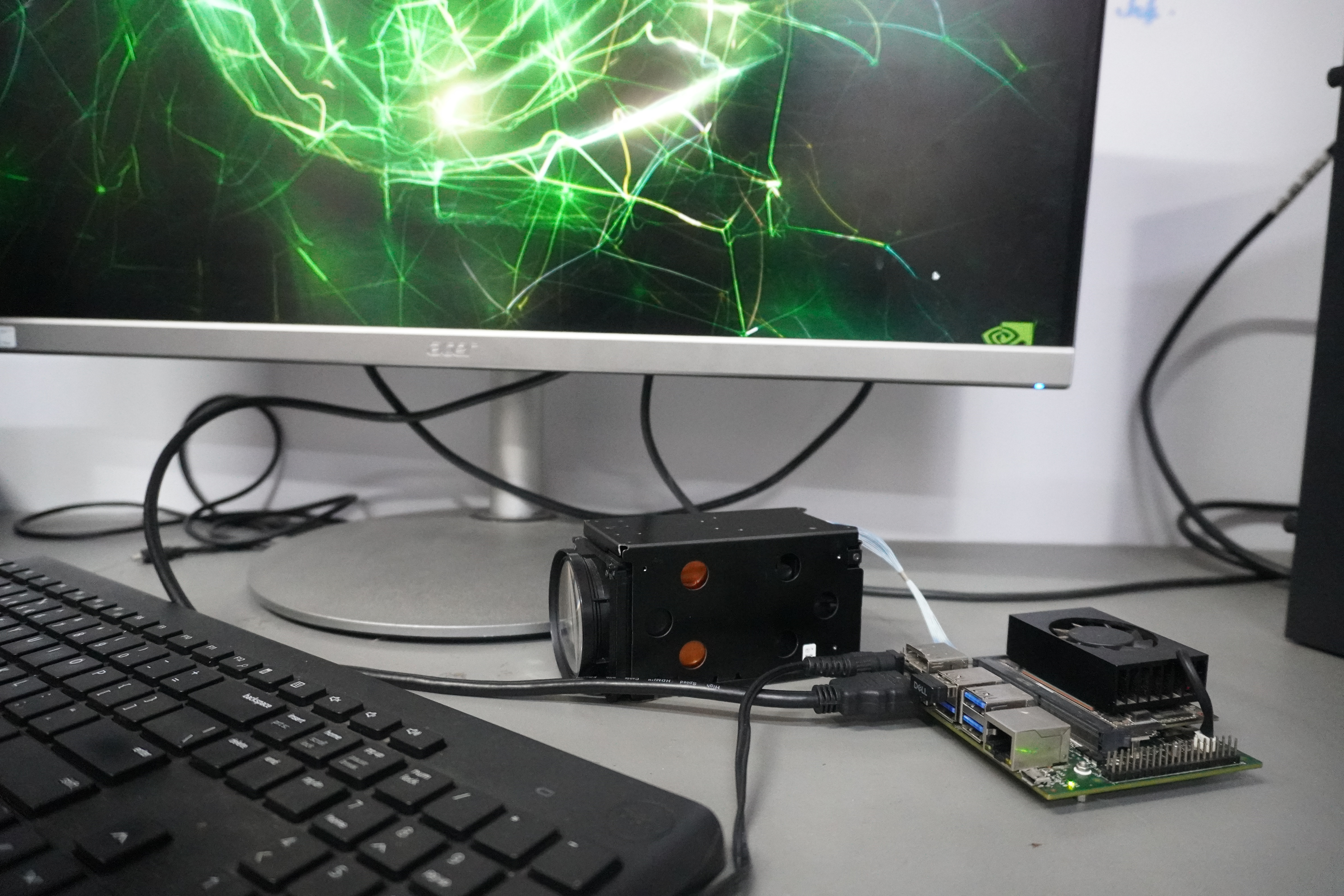
1. Xavier NX With Sony EV9500M (Native MIPI) Camera
Sony EV9500M is a native MIPI CSI camera.
Using Oppila’s customized MIPI driver, the Xavier NX detects the camera instantly and exposes it as a V4L2 device.
Highlights
- Direct MIPI CSI interface
- Auto-exposed as /dev/videoX
- Works with standard GStreamer commands
- Stable capture and low-latency performance
2. Xavier NX With Sony EV8530
(using HDMI → MIPI conversion)
Sony EV8530 outputs HDMI, not MIPI.
Oppila integrates this camera by converting its HDMI output into MIPI CSI using our internal HDMI-to-MIPI conversion block, making it compatible with Xavier NX.
Highlights
- HDMI output is converted into MIPI CSI
- Follows the same V4L2 workflow as native MIPI cameras
- No change required for user applications
- Fully compatible with GStreamer/OpenCV pipelines
Unified workflow identical to native MIPI cameras
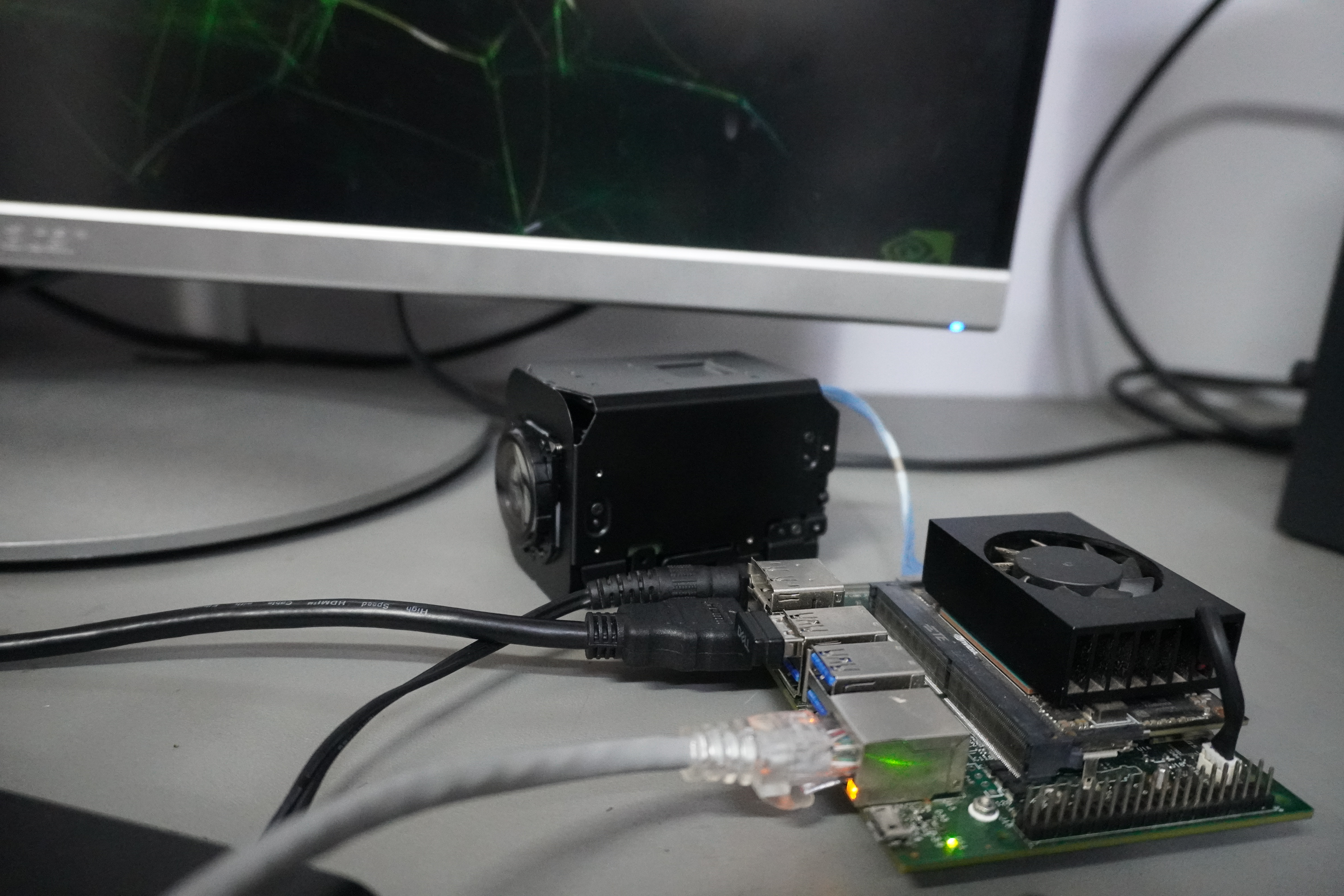
This demonstrates how Oppila supports hybrid input formats without exposing internal processing methods.
3.Jetson Orin NX / Jetson Orin Nano with Jetson Nano Super Developer Kit
Oppila LVDS-to-MIPI Adapter
Sony EV9500L / EV9520L Cameras
This section covers a complete LVDS-camera integration using Oppila’s LVDS-to-MIPI adapter and our customized MIPI driver on multiple NVIDIA boards:
-
Jetson Orin NX - Jetson Nano Super Developer Kit
-
Jetson Orin Nano - Jetson Nano Super Developer Kit
The Sony EV9500L and EV9520L output LVDS, which is converted to MIPI CSI by Oppila’s adapter.
Once connected, Oppila’s driver exposes the camera to the system through the standard V4L2 interface.
Key Operating Notes
- LVDS signal → Oppila adapter → MIPI CSI
- Oppila board translates I²C from the developer kit → UART VISCA for camera control
- Driver loads on boot and creates /dev/video0
Streaming example:
gst-launch-1.0 v4l2src device=/dev/video0 ! video/x-raw,format=UYVY ! videoconvert ! xvimagesink
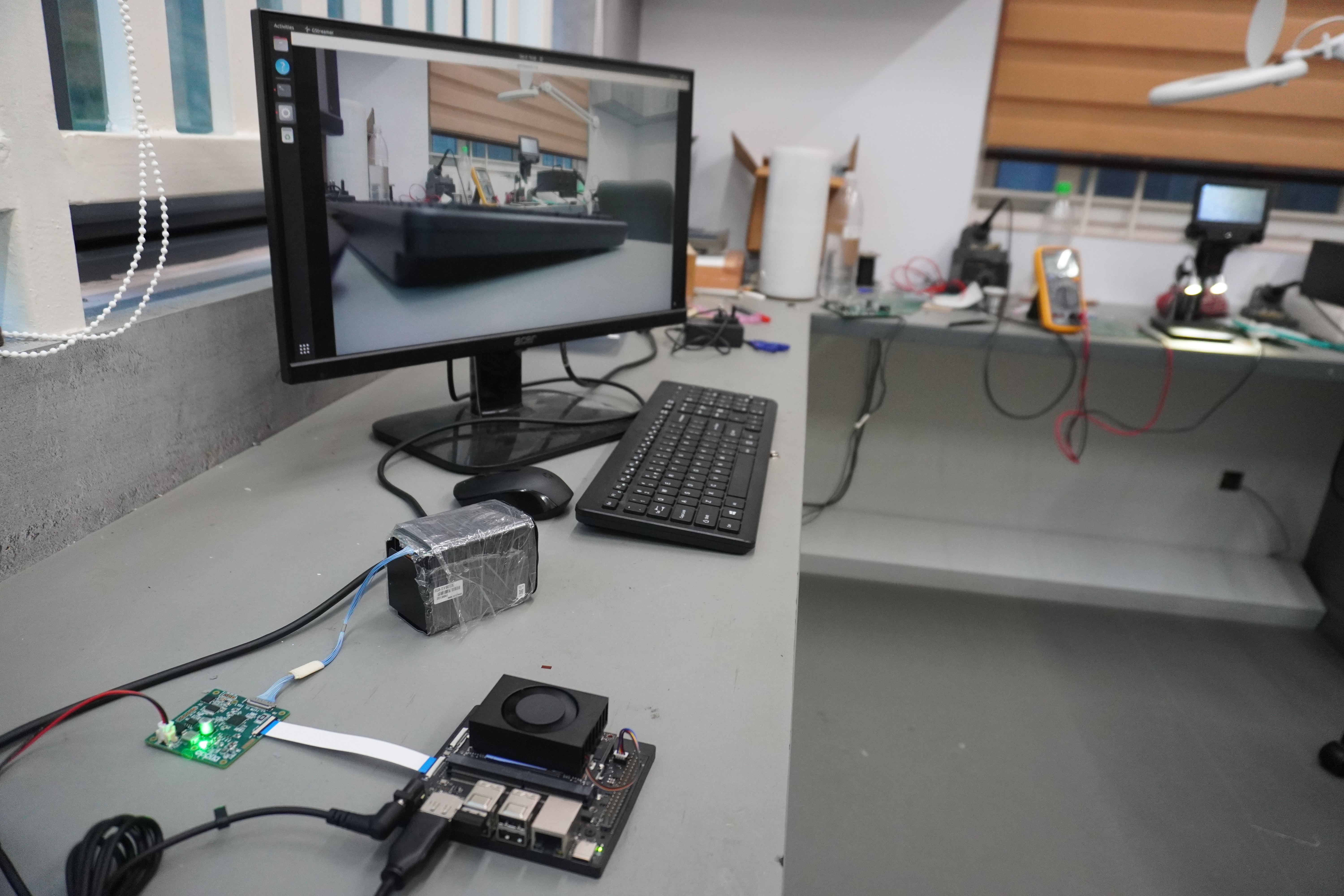
Other LVDS or any format cameras that follow Sony’s output connector can also be supported with software customization performed by Oppila.
About Oppila’s Customized MIPI Driver
Oppila’s MIPI driver is custom-built to support:
- Native MIPI cameras
- HDMI-to-MIPI converted streams
- LVDS-to-MIPI bridged cameras
- Multiple NVIDIA platforms (Xavier NX, Orin NX, Orin Nano, Nano Super DK)
The driver handles sensor initialization, synchronization, and exposure of the /dev/videoX interface, without requiring application-level changes.
Summary
This blog showcases Oppila’s successful camera integrations:
- Xavier NX + EV9500M (native MIPI)
- Xavier NX + EV8530 (HDMI → MIPI conversion)
- Orin NX / Orin Nano / Jetson Nano Super DK + Oppila LVDS-to-MIPI + EV9500L / EV9520L
Across all setups, Oppila provides:
- Customized MIPI driver
- LVDS-to-MIPI conversion solutions
- Camera control via I²C-to-UART VISCA
- Support for additional camera models through customization
FAQs
Yes, Oppila supports multiple input formats (LVDS, HDMI, and proprietary outputs) and converts them into MIPI CSI.
Yes, both models are fully validated with Orin NX and Orin Nano.
Yes—if the output connector and signaling are compatible with Sony-style formats, Oppila can customize the software.
Yes, once installed, /dev/video0 appears at boot automatically.
Jetson I²C commands are internally translated into UART VISCA on Oppila’s board.
Yes, GStreamer pipelines work seamlessly.
No changes are needed; the driver exposes a standard V4L2 interface.
Yes, OpenCV’s VideoCapture works without additional configuration.
Yes, Oppila’s pipeline ensures low-latency capture.
System-level diagrams are provided, but internal circuitry is proprietary.
Yes, but requires project-specific customization.
Yes, depending on the selected format converter.
Yes, through VISCA-based command sets.
Yes—Xavier NX, Orin NX, Orin Nano, AGX Orin.
Absolutely—solutions can be ruggedized as needed.