SONY Camera Integrations Using Customized MIPI Drivers on NXP i.MX Platforms
We specialize in integrating professional Sony camera modules with NXP i.MX application processors using Oppila’s customized MIPI driver framework and signal‑conversion interface boards. This blog highlights successful camera integration setups carried out on NXP i.MX8M Plus, focusing on stable video capture through the standard V4L2 framework.
Oppila’s camera interface technology supports multiple incoming video formats—native MIPI, PAL/analog, HDMI, and other proprietary outputs—and converts them into MIPI CSI, enabling NXP i.MX platforms to ingest video streams seamlessly without application‑level changes.
1. NXP i.MX8M Plus with Sony EV9500M (Native MIPI Camera)
The Sony EV9500M is a native MIPI CSI camera. Using Oppila’s customized MIPI driver on i.MX8M Plus, the camera is detected at boot and exposed as a standard V4L2 video device.
Highlights
- Direct MIPI CSI interface to i.MX8M Plus
- Automatically exposed as /dev/videoX
- Compatible with standard V4L2 and GStreamer pipelines
- Stable capture suitable for AI and embedded vision workloads
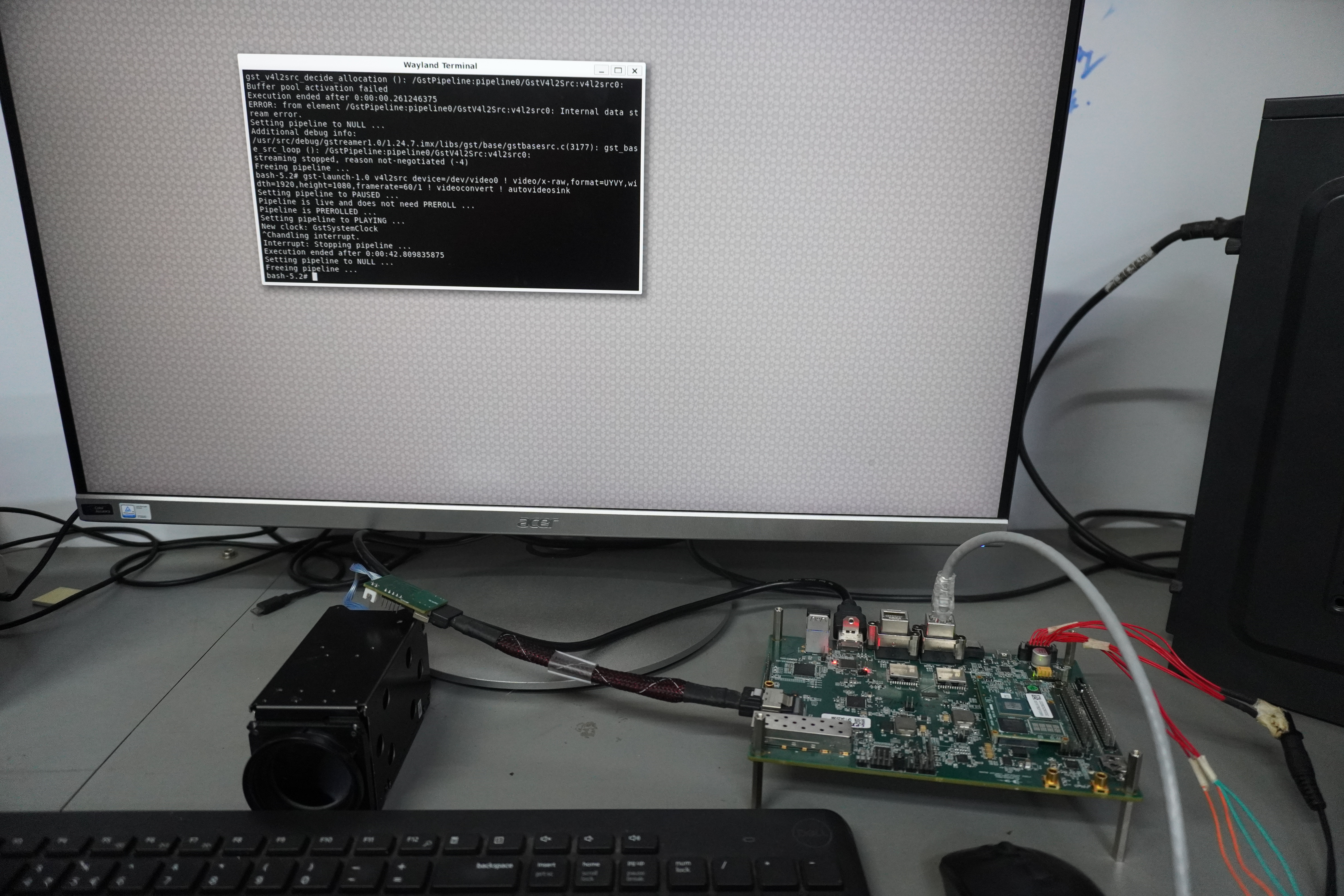
This setup demonstrates a clean native‑MIPI integration using Oppila’s driver framework on NXP platforms.
2. NXP i.MX8M Plus with PAL Interface Camera (Converted to MIPI CSI)
In addition to native MIPI cameras, Oppila has successfully integrated PAL interface cameras with the i.MX8M Plus platform. Since PAL cameras do not output MIPI directly, Oppila uses an internal signal‑conversion interface block to convert the PAL video stream into MIPI CSI, allowing seamless ingestion by the processor.
Highlights
- PAL video converted to MIPI CSI
- Same V4L2 workflow as native MIPI cameras
- No changes required in user applications
- Compatible with GStreamer and OpenCV pipelines
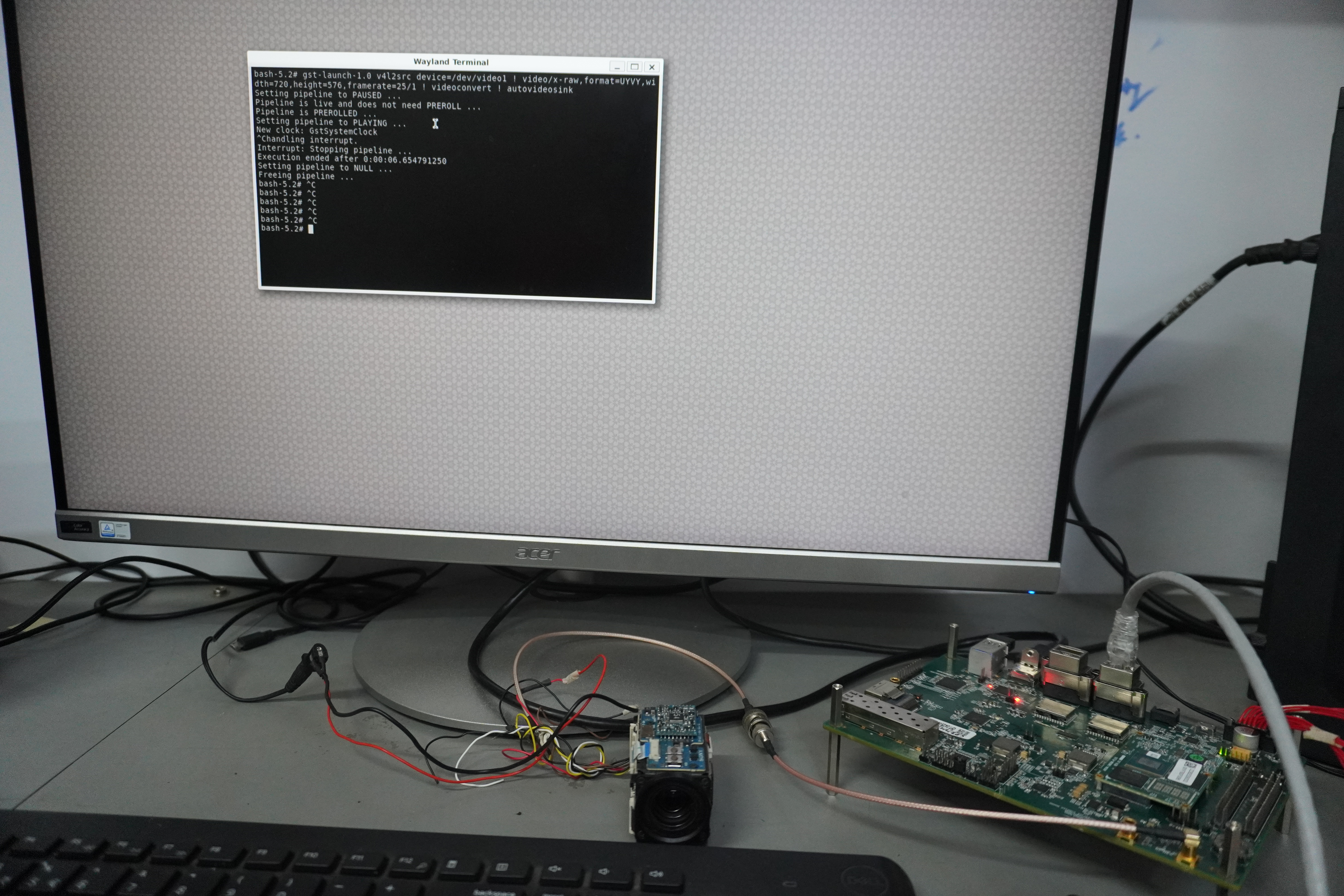
This integration shows how Oppila supports legacy and non‑MIPI camera formats on modern NXP SoCs without exposing internal conversion strategies.
3. About Oppila’s Customized MIPI Driver for NXP i.MX
Oppila’s customized MIPI driver for NXP platforms is designed to support:
- Native MIPI CSI cameras
- PAL and other legacy video formats converted to MIPI using our customized driver
- Hybrid camera inputs through Oppila interface boards
- NXP i.MX8M Plus and related i.MX families
The driver manages camera initialization, synchronization, and exposure of the /dev/videoX interface using standard Linux V4L2 APIs, enabling reuse of existing multimedia pipelines.
Internal driver architecture and conversion logic are proprietary and intentionally not disclosed.
Summary
This blog highlights Oppila’s successful camera integrations on NXP i.MX8M Plus:
- i.MX8M Plus + Sony EV9500M (native MIPI)
- i.MX8M Plus + PAL interface camera (format conversion to MIPI)
Across these setups, Oppila delivers:
- Customized MIPI drivers for NXP platforms
- Signal‑conversion solutions for non‑MIPI cameras
- Standard V4L2 exposure for easy application integration
- Support for additional camera models through software customization
FAQs
The integrations are demonstrated on NXP i.MX8M Plus.
Yes, EV9500M is fully integrated using Oppila’s customized MIPI driver.
Yes, PAL cameras are supported through conversion to MIPI CSI.
Yes, all integrations use standard V4L2 device nodes.
No, existing GStreamer or OpenCV applications work as‑is.
Yes, camera control is supported depending on the camera interface and protocol.
Yes, the video device appears automatically once the driver loads.
Yes, standard GStreamer pipelines are supported.
Yes, OpenCV VideoCapture works without additional configuration.
No, internal conversion and driver mechanisms are proprietary.
Yes, additional formats can be supported with project‑specific customization.
Yes, the solution is designed for industrial and embedded deployments.
Yes, with customization based on project requirements.
Yes, Oppila supports multiple NXP i.MX families.
Yes, from hardware interfacing to driver development and validation.